

Data Center Construction Projects: Complete Guide to Building Modern Digital Infrastructure
The global surge in cloud computing, artificial intelligence, and digital transformation has created unprecedented demand for data center construction projects worldwide. As organizations race to build the infrastructure needed to support our increasingly connected world, these specialized facilities have become critical investments that require careful planning, substantial capital, and expert execution. From hyperscale campuses spanning hundreds of acres to edge computing facilities tucked into urban environments, today’s data center construction landscape presents unique opportunities and challenges that set these projects apart from traditional commercial development.
Understanding the Scope of Modern Data Center Construction Projects
Data center construction projects encompass far more than erecting four walls and installing server racks. These complex undertakings involve intricate coordination between multiple engineering disciplines, specialized contractors, and technology vendors. The typical project timeline spans 18 to 24 months from groundbreaking to commissioning, though some expedited builds can be completed in as little as 12 months using modular construction techniques.
The scale of investment in these facilities continues to grow exponentially. Major tech companies are committing billions of dollars annually to expand their data center footprints, with individual campus projects often exceeding $1 billion in total investment. This massive capital deployment reflects not just the physical construction costs but also the sophisticated mechanical, electrical, and plumbing (MEP) systems that can account for up to 60% of the total project budget.
Geographic considerations play a crucial role in site selection for data center construction projects. Developers evaluate factors including proximity to fiber optic networks, availability of renewable energy sources, local tax incentives, climate conditions, and natural disaster risk profiles. Markets like Northern Virginia, Phoenix, and Dallas-Fort Worth have emerged as major hubs, while international locations in Dublin, Singapore, and Sydney continue to attract significant investment.
Key Phases of Data Center Development
The journey from concept to operational facility follows a structured progression through multiple phases, each with specific deliverables and decision points. Understanding these phases helps stakeholders manage expectations and allocate resources effectively throughout the project lifecycle.
Site Selection and Due Diligence
The foundation of any successful project begins with comprehensive site evaluation. Development teams assess potential locations based on power availability, with modern hyperscale facilities requiring 50-100 megawatts or more of electrical capacity. Water access for cooling systems, geological stability, and zoning compatibility all factor into the selection process. Environmental impact assessments and community engagement often extend this phase by several months but prove essential for securing necessary permits and local support.
Design and Engineering
Once a site is secured, the design phase transforms requirements into detailed construction documents. Data center construction projects demand specialized expertise in critical systems design, including redundant power distribution, precision cooling, and fire suppression systems. The unique requirements of these facilities differentiate them significantly from standard commercial buildings. Data center construction differs from commercial building projects in fundamental ways, from the massive floor loadings required to support IT equipment to the sophisticated cooling systems that maintain optimal operating temperatures for sensitive electronics.
Construction and Commissioning
The physical construction phase involves coordinating dozens of specialized trades while maintaining strict quality control standards. Concrete pours for raised floor systems must achieve precise tolerances, electrical installations require meticulous attention to grounding and bonding, and mechanical systems demand careful balancing to ensure proper airflow distribution. The commissioning process, which can span several months, validates that all systems perform according to design specifications before the facility accepts its first IT load.
Critical Infrastructure Components in Data Center Construction Projects
The technical infrastructure within a data center represents the heart of these specialized facilities. Each component must integrate seamlessly with others while providing the reliability and redundancy necessary to maintain continuous operations.
Power Systems and Electrical Distribution
Electrical infrastructure typically begins with dual utility feeds from separate substations, providing primary redundancy at the source. Uninterruptible power supply (UPS) systems bridge the gap during power transitions, while backup generators can sustain operations indefinitely during extended outages. Modern data center construction projects increasingly incorporate battery energy storage systems and on-site renewable generation to enhance sustainability and resilience.
Cooling and Environmental Control
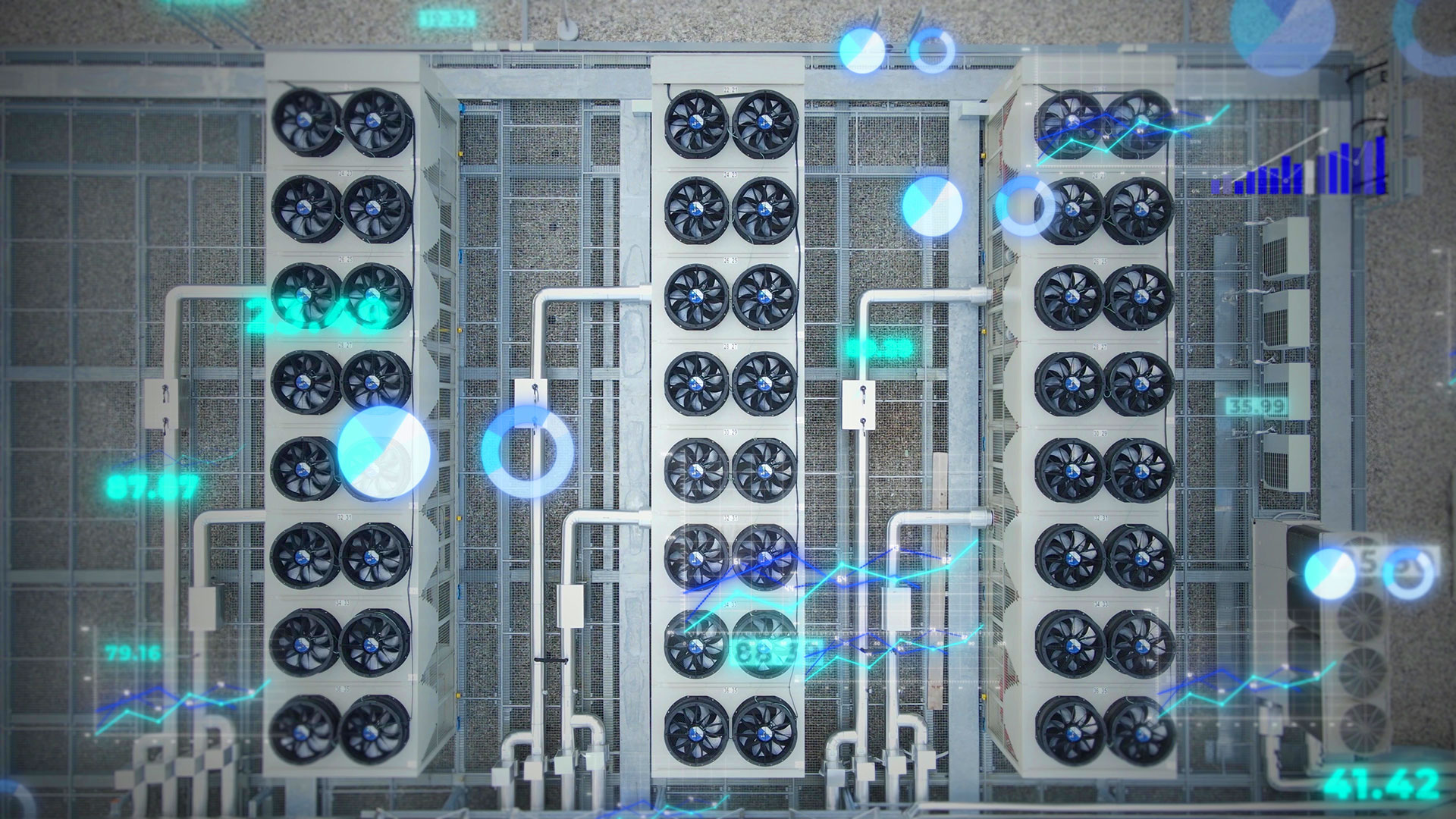
Maintaining optimal temperature and humidity levels requires sophisticated cooling strategies that have evolved significantly over the past decade. Traditional raised-floor designs with computer room air conditioning (CRAC) units are giving way to more efficient approaches including hot-aisle/cold-aisle containment, direct-to-chip liquid cooling, and even immersion cooling for high-density deployments. These advanced cooling methodologies can reduce energy consumption by 30-40% compared to legacy designs.
Security and Access Control
Physical security measures in data center construction projects extend far beyond simple card readers and cameras. Multi-layered security designs incorporate perimeter barriers, mantrap entries, biometric authentication, and 24/7 security personnel. Cybersecurity considerations now influence physical design decisions, with secure zones for different client types and specialized areas for equipment staging and destruction.
Emerging Trends Shaping Data Center Construction Projects
The rapid evolution of technology and changing business requirements continue to drive innovation in data center design and construction methodologies. These trends reflect both immediate market demands and long-term sustainability goals.
Modular and Prefabricated Construction
Prefabricated modular data centers offer significant advantages in deployment speed and quality control. These factory-built solutions can reduce construction timelines by 30-50% while minimizing on-site labor requirements. Modular approaches range from containerized micro data centers for edge deployments to full-scale prefabricated power and cooling modules for hyperscale facilities.
Sustainability and Carbon Neutrality
Environmental responsibility has become a primary driver in data center construction projects. Developers are pursuing aggressive sustainability targets through renewable energy procurement, water conservation strategies, and innovative cooling technologies. Many projects now target LEED Gold or Platinum certification, while some pioneers are achieving net-zero carbon operations from day one. The use of low-carbon concrete, recycled steel, and sustainable building materials further reduces the environmental impact of construction.
Edge Computing Infrastructure
The proliferation of IoT devices and demand for low-latency applications has sparked a wave of edge data center construction projects. These smaller facilities, typically ranging from 1-5 megawatts, bring computing resources closer to end users in urban and suburban locations. Edge deployments present unique construction challenges including space constraints, noise limitations, and aesthetic requirements that differ markedly from traditional data center campuses.
Cost Considerations and Financial Planning
Understanding the financial aspects of data center construction projects helps stakeholders make informed decisions about design choices, technology selections, and deployment strategies. Construction costs vary widely based on location, tier level, and specific requirements but typically range from $7-12 million per megawatt of IT capacity.
Typical Cost Breakdown for Data Center Construction:
- Site development and shell construction: 15-20%
- Electrical infrastructure: 25-30%
- Mechanical systems (cooling): 20-25%
- IT infrastructure (racks, cabling): 15-20%
- Security and monitoring systems: 5-10%
- Design, permits, and soft costs: 10-15%
Operating expense considerations significantly influence construction decisions. Energy-efficient designs may require higher upfront investment but deliver substantial savings over the facility’s 15-20 year lifecycle. Total cost of ownership (TCO) models that account for both capital and operating expenses guide decision-making throughout the design and construction process.
Project Management Best Practices
Successful execution of data center construction projects demands rigorous project management discipline and coordination among diverse stakeholder groups. Established methodologies and best practices help minimize risks while ensuring projects meet schedule, budget, and quality objectives.
Integrated Project Delivery
Many developers are adopting integrated project delivery (IPD) models that align the interests of owners, designers, and contractors from project inception. This collaborative approach encourages early contractor involvement, shared risk and reward structures, and joint decision-making processes that can reduce change orders and accelerate project delivery.
Technology-Enabled Project Management
Building Information Modeling (BIM) has become standard practice in data center construction projects, enabling 3D visualization, clash detection, and improved coordination among trades. Virtual reality walk-throughs allow stakeholders to experience the facility before construction begins, while drone surveys and IoT sensors provide real-time progress monitoring during construction.
Risk Management and Contingency Planning
The complexity and critical nature of data center construction projects necessitate comprehensive risk management strategies. Project teams develop detailed risk registers, conduct regular assessments, and maintain contingency plans for potential disruptions. Supply chain challenges, particularly for specialized electrical and mechanical equipment, require careful attention and often benefit from early procurement strategies.
Regulatory Compliance and Standards
Navigating the regulatory landscape represents a significant aspect of data center construction projects. Compliance requirements span multiple jurisdictions and technical domains, from local building codes to international reliability standards.
The Uptime Institute’s Tier Classification System remains the most widely recognized standard for data center reliability, with Tier III and Tier IV designs providing increasing levels of redundancy and fault tolerance. Achieving tier certification requires rigorous documentation, design review, and facility testing that extends the project timeline but provides valuable third-party validation.
Industry-specific regulations add another layer of complexity for certain data center construction projects. Healthcare facilities must comply with HIPAA requirements, financial services data centers must meet SOC 2 and PCI DSS standards, and government facilities require adherence to strict security clearance and FISMA guidelines.
Future Outlook for Data Center Construction
The trajectory of data center construction projects points toward continued growth and evolution. Analysts project global data center construction spending to exceed $200 billion annually by 2025, driven by cloud adoption, 5G deployment, and emerging technologies like artificial intelligence and quantum computing.
Technological advances will continue reshaping facility requirements. The rise of AI workloads is already driving demand for liquid cooling solutions and higher power densities. Quantum computing may require entirely new approaches to facility design, including specialized environmental controls and electromagnetic shielding.
Geographic diversification will accelerate as developers seek new markets with favorable conditions. Secondary and tertiary markets offering competitive power rates, available land, and business-friendly environments will attract increased investment. International expansion into emerging markets across Africa, South America, and Southeast Asia will create opportunities for developers willing to navigate complex local requirements.
Data center construction projects represent some of the most complex and critical infrastructure developments of our time. Success in this demanding field requires deep technical expertise, careful planning, and flawless execution across multiple disciplines. As digital transformation continues to reshape the global economy, these specialized facilities will remain essential investments that enable the technologies and services defining our connected future. Organizations embarking on data center construction must balance immediate needs with long-term flexibility, ensuring their facilities can adapt to evolving technology requirements while maintaining the reliability and efficiency demands of modern digital infrastructure.