
4 Site Selection Mistakes That Doom Data Center Projects Before They Start
Long before a data center is built, powered, cooled, or commissioned, the most important decision has already been made: the site. A perfect design can fail on the wrong land. A flawless deployment plan collapses if the site can’t support it.
Site selection isn’t a checkbox; it’s a high-stakes prediction of future performance, cost, risk, and resilience. And when it’s done poorly, the consequences follow the project for decades.
Choosing Land That Can’t Support Utility Requirements
Power and water define the feasibility of a data center. Yet many teams commit to a site before validating the long-term availability of critical utilities. A site may look ideal on paper but fall apart once demand projections increase, or local infrastructure hits its limits.
Some regions promise capacity they can’t sustainably deliver. Others require massive, unexpected upgrades that blow budgets open. The worst-case scenario? A site with no realistic path to scaling power as density increases.
A site without guaranteed utility support isn’t a site; it’s a liability.
Underestimating Environmental and Regional Risks
Environmental factors are rarely dramatic at first glance. They creep in slowly, hidden behind climate data and soil reports. But small environmental oversights become million-dollar problems later.
Common issues include:
- Flood zones that don’t reveal themselves until a “100-year storm” shows up
- Soil conditions that jeopardize foundation stability
- Temperature swings that stress mechanical systems
- Air quality patterns that impact filtration and cooling costs
- Seismic risks hidden beneath outdated regional maps
Overlooking Future Growth Constraints
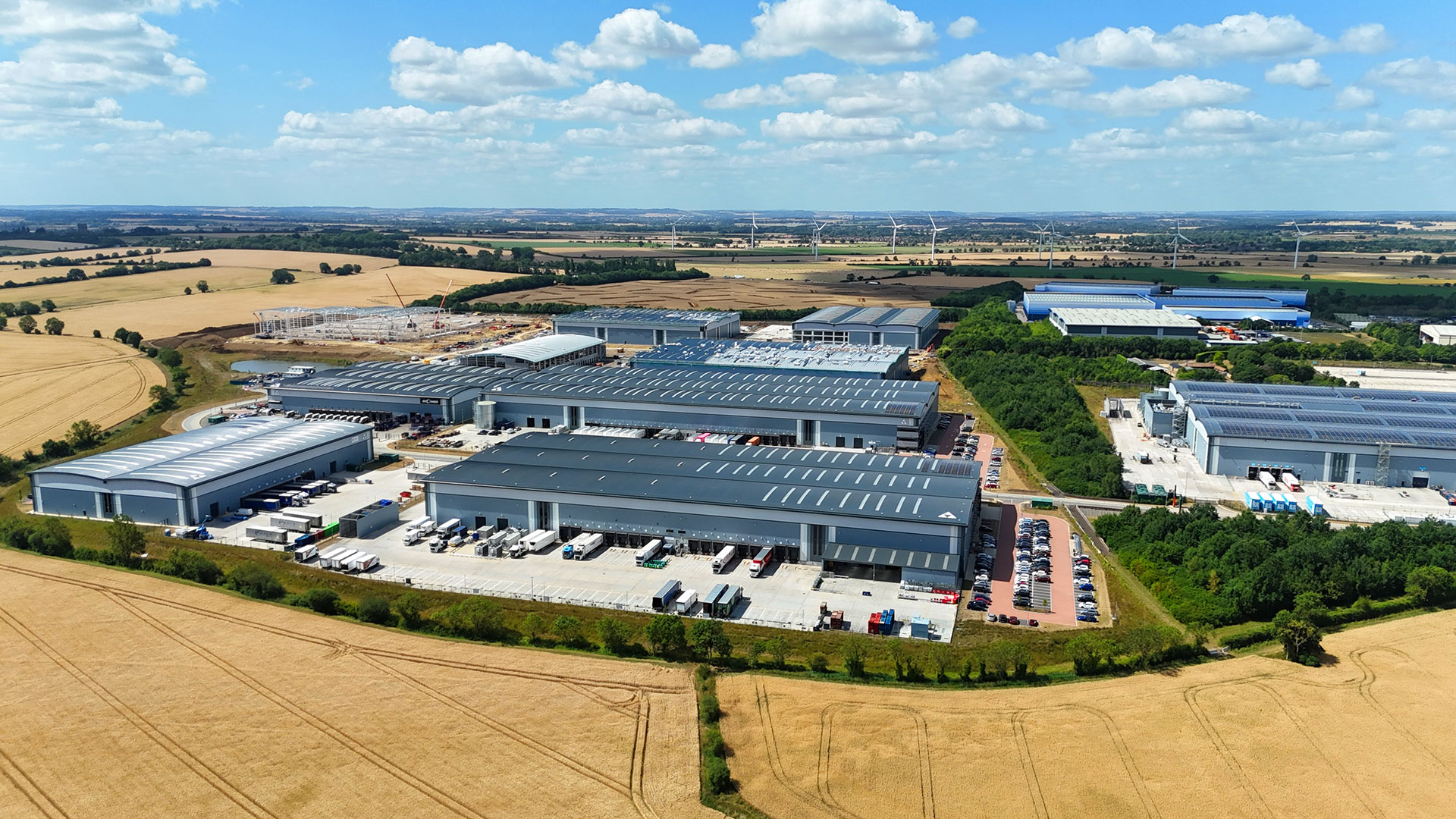
Today’s capacity needs rarely match tomorrow’s. A site that fits current specifications might fail the moment expansion becomes necessary. Too many projects ignore surrounding land use, zoning limitations, easements, transportation access, and competing developments.
Once construction starts, these constraints become painfully visible. By then, the project is locked in and boxed in. Consider how many data centers outgrow themselves within a decade simply because the original site had no room to scale.
Growth isn’t optional. It’s a requirement.
Ignoring How the Site Affects Construction and Deployment Sequencing
Even a technically sound site can destroy a timeline. Poor ground access, narrow roads, heavy permitting, and complicated delivery logistics slow everything down.
A site might accommodate the building but not the construction process required to create it.
Those bottlenecks create:
- Longer lead times for equipment and materials
- Congested work phases with no room for staging
- Delivery restrictions that push crews off schedule
- Unexpected costs in labor and equipment rentals
When the construction flow breaks, the entire deployment suffers.
Site Selection Isn’t About Location, It’s About Future Stability
A beautiful plot of land can house a terrible data center. A modest piece of land can support a world-class one. The difference is the diligence applied before anything is signed, excavated, or engineered.
Site selection is the quiet cornerstone of success. If it’s done poorly, no amount of brilliant planning can undo the damage. If it’s done well, the project begins on solid ground, literally and strategically.


Leave a comment